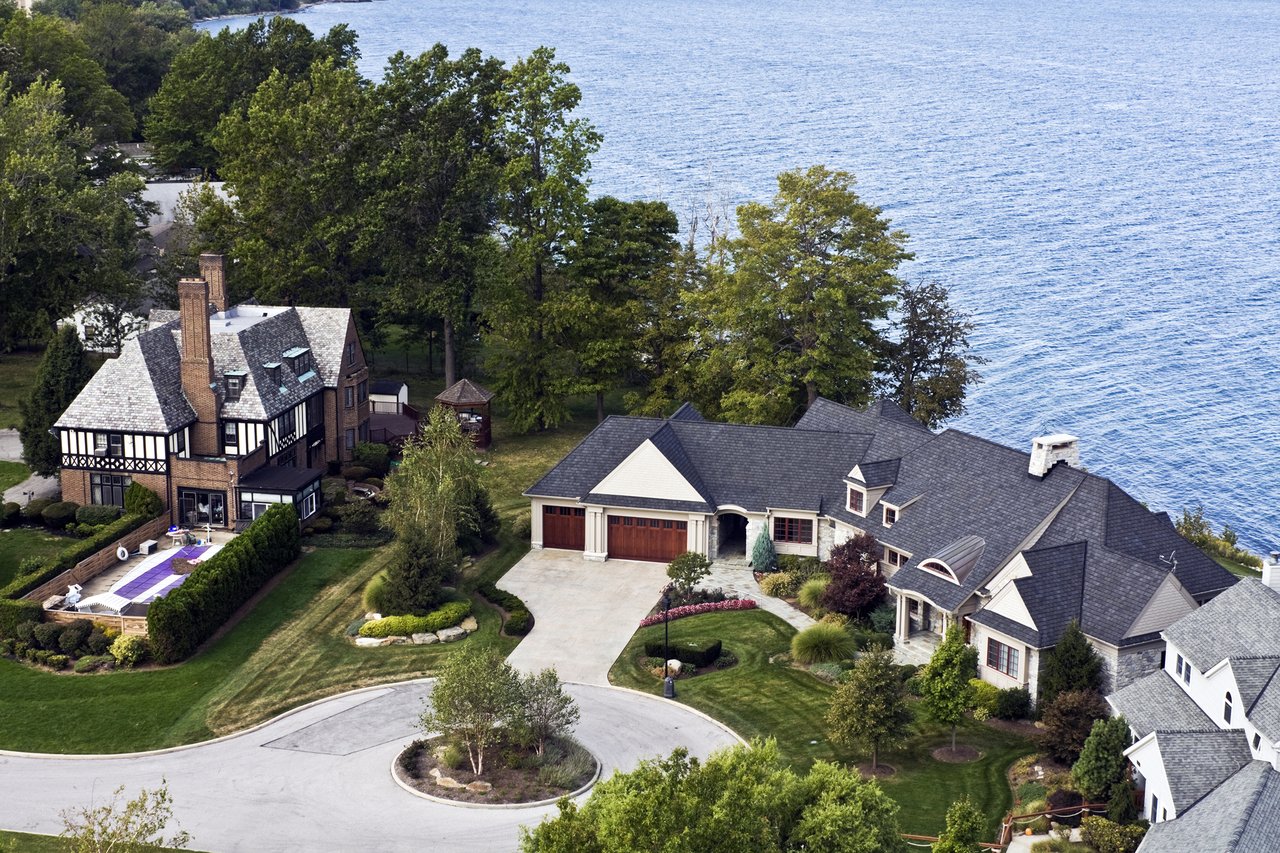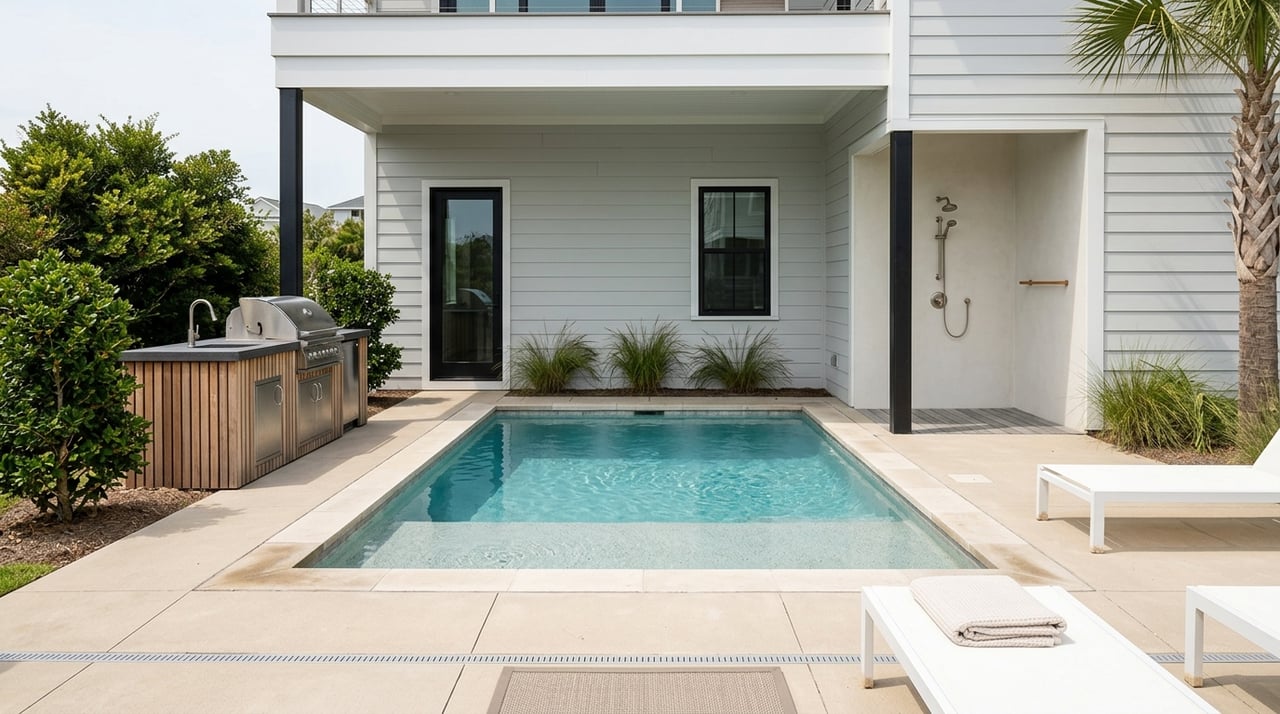
If you are looking at an oceanfront home in Corolla, it is easy to focus on the view first and the numbers second. But in a market built around vacation rentals, the best investment decisions come from looking at both. When we evaluate rental potential on Corolla oceanfront homes, we look past the postcard appeal and study the factors that actually shape bookings, revenue, and long-term ownership costs. Let’s dive in.
Why Corolla rental analysis matters
Corolla sits in a tourism-driven part of Currituck County, and that matters when you are evaluating an oceanfront purchase. County data show visitors spent $573.35 million in Currituck in 2023, supporting more than 2,502 jobs and generating $21.8 million in local tax revenue tied to travel-related businesses.
That local tourism economy supports a market where vacation rentals are not a side story. Currituck’s tourism information notes that many visitors stay in vacation rental homes along the oceanfront and soundfront. In other words, an oceanfront home in Corolla is often both a lifestyle property and an income-producing asset.
Our Corolla oceanfront framework
When we evaluate rental potential, we do not rely on a generic Outer Banks rule of thumb. We compare each home to Corolla-specific seasonality, bedroom-count benchmarks, amenity expectations, operating costs, and shoreline conditions. That approach helps you separate a beautiful house from a property that is positioned to perform.
Start with seasonal demand
Corolla is highly seasonal, and summer drives the rental calendar. Currituck occupancy-tax collections show a clear spike in the summer months, while winter collections are much lower. Current market benchmarks from Rabbu show the same pattern, with June through August as the core earning window and August as the strongest month.
That seasonality affects how we look at pricing and risk. A home that captures peak summer demand efficiently can still perform well, even if the off-season is slower. At the same time, you want realistic expectations about how much of the year will carry the revenue load.
Compare by bedroom count first
Bedroom count is one of the fastest ways to place a home in the right performance band. Rabbu’s current Corolla benchmarks suggest 5-bedroom homes hit a strong efficiency point, with 26% occupancy, the strongest RevPAN, and about $110,020 in annual revenue. Their data shows 4-bedroom homes averaging about $84,822, while 6-plus-bedroom homes lead the market at about $125,038 annually.
These figures are market-wide, not oceanfront-only, so we use them as a starting baseline rather than a promise. Oceanfront location can lift a home above the wider market, but only if the layout, access, and finish level support that premium. The key is to compare the subject property against the right size category before layering on the oceanfront advantage.
Adjust for pricing power
Average daily rate also scales with size. Rabbu reports a Corolla-wide ADR of about $300, ranging from roughly $165 for 2-bedroom units to about $426 for 6-plus-bedroom homes. That tells you bigger homes often have more pricing power, but higher rates alone do not guarantee better performance.
We look at whether the home has the features and flow to justify its rate. If a property is priced like a premium oceanfront rental but feels inconvenient for a large group, bookings can soften. In this market, rate and usability go hand in hand.
What features move the needle
Not every upgrade adds equal rental value. In Corolla, some features are now basic expectations, while others still help a home stand out and reduce booking friction.
Know the market floor
The baseline is already high. Rabbu reports that 99% of Corolla listings include a washer, dryer, kitchen, and parking. Self-check-in appears in 95% of listings, BBQ grills in 87%, patios or balconies in 85%, pools in 76%, and hot tubs in 72%.
That means we usually do not treat these features as major differentiators by themselves. Instead, we ask whether the home meets or exceeds what guests already expect at its price point. If it falls short on common amenities, that can drag performance quickly.
Look for true differentiators
Some features still help a home compete more effectively, especially in the oceanfront segment. Pet-friendly homes make up just 47% of the market, so allowing pets can create a point of distinction. In current premium Corolla inventory, top-tier homes also compete with elevators, theater rooms, game rooms, multiple refrigerators or dishwashers, outdoor showers, keyless entry, and private beach walkways or dune decks.
These are not just luxury touches for photos. They can make group stays easier, improve convenience, and support stronger guest satisfaction. On oceanfront homes especially, convenience often matters almost as much as the view.
Focus on group-friendly design
One of the biggest things we evaluate is how well a home works for multi-family or large-group stays. Current high-end Corolla listings repeatedly show the value of open great rooms, strong kitchen capacity, en-suite bedroom layouts, and easy sand-to-house circulation.
That last point matters more than many buyers expect. A home that makes beach days easy, with smooth access from the sand to showers, pool areas, and living spaces, tends to fit the way guests actually use the property. In a rental-first analysis, practical design often beats flashy design.
Why turnover strategy matters
Even in today’s market, Corolla calendars still reflect fixed weekly turnover patterns. Current inventory shows homes positioned with either Friday or Saturday check-in schedules. That may sound like a small operational detail, but it can shape how a home fits within the competitive set.
When we review rental potential, we consider how the property may be positioned within existing booking habits. Turnover day is part of the marketing and operations strategy, not an afterthought. For some homes, the right scheduling approach can improve booking flow and guest convenience.
Factor in taxes and operating drag
Gross revenue is only part of the story. To understand true rental potential, you also need to account for the local tax structure and the administrative side of short-term rentals.
Currituck occupancy tax basics
Currituck County levies a 6% occupancy tax on short-term lodging, including vacation homes. The county states that taxable gross receipts include booking and security deposits, peace-of-mind fees, credit-card fees, pet fees, linen fees, and similar charges. Those amounts are in addition to the current 6.75% state and local sales tax.
Monthly occupancy-tax reports are due by the 20th of the following month. The county also notes exemptions for private residences rented fewer than 15 days total in a calendar year and for stays of 90 or more consecutive days. For an investor-minded buyer, these details matter because they affect net performance and compliance.
Verify permits before improvements
A lot of rental upside comes from smart improvements, but improvements in Corolla can trigger county permitting requirements. Currituck’s permit guidance says projects such as pools, hot tubs or spas, beach accessways, and work in FEMA Special Flood Hazard Areas require county permitting.
That is why we do not look at renovation potential in a vacuum. If you are buying an oceanfront home with plans to add features, the path from idea to execution matters. Rental upside is strongest when the improvement is both desirable and feasible.
Shoreline risk is part of the analysis
With any oceanfront property, resilience belongs in the conversation. Currituck’s March 2026 shoreline update says the county is monitoring change along the full Atlantic shoreline and identifies the stretch between Horse Gate and Corolla Village Road, Whalehead Beach, and Spindrift as the most vulnerable areas.
The county is evaluating measures such as dune vegetation, sand fencing, nourishment, and even relocation strategies. It also offers reimbursement help for sand fencing and dune vegetation. When we evaluate an oceanfront home, we look at location-specific exposure because shoreline conditions can affect long-term maintenance planning, use, and buyer confidence at resale.
Corolla attractions support booking demand
A strong rental market is not built on beach access alone. Corolla also draws visitors with places and experiences like Whalehead in Historic Corolla, the Currituck Beach Lighthouse, Historic Corolla Village, the Currituck Maritime Museum, and the wild horses.
Those demand drivers help explain why Corolla continues to attract family and group travel. For owners, that wider appeal supports the case for homes designed for longer stays, larger groups, and experience-focused vacations. A home that fits how visitors want to spend time in Corolla is often better positioned to book consistently.
How we pull it all together
When we evaluate rental potential on a Corolla oceanfront home, we are really answering a simple question: how well is this property positioned for the way Corolla guests travel and book? We start with local seasonality and bedroom-count benchmarks, then adjust for oceanfront advantages, amenity quality, layout efficiency, tax impact, and shoreline considerations.
That process helps you avoid two common mistakes. The first is overvaluing a home because the setting is beautiful. The second is undervaluing a home that quietly checks the boxes that matter most to renters. In Corolla, the strongest opportunities usually balance view, function, and realistic income strategy.
If you want a local, rental-savvy opinion on how a specific oceanfront home may perform, Crystal Swain can help you look at the numbers, the design, and the ownership picture with clear, practical guidance.
FAQs
How do you evaluate rental potential for a Corolla oceanfront home?
- We look at Corolla-specific seasonality, bedroom-count revenue benchmarks, amenity expectations, layout for group stays, tax impact, permitting considerations, and shoreline risk before estimating how well a home may compete.
What bedroom count performs best in the Corolla rental market?
- Current Corolla benchmark data suggests 5-bedroom homes are an efficiency sweet spot, while 6-plus-bedroom homes tend to produce the highest annual revenue overall.
What amenities matter most for Corolla vacation rentals?
- Beyond basics like laundry, parking, and self-check-in, strong performers often offer features that make group stays easier, such as pools, hot tubs, elevators, game rooms, outdoor showers, and private beach access features.
Are Corolla rentals seasonal?
- Yes. Summer is the core earning season, with June through August driving the strongest activity and winter months typically seeing materially lower demand.
What taxes apply to short-term rentals in Currituck County?
- Currituck County applies a 6% occupancy tax to short-term lodging, and those receipts are in addition to the current 6.75% state and local sales tax.
Why does shoreline location matter for a Corolla oceanfront investment?
- Shoreline conditions can influence maintenance planning, future improvements, and long-term ownership risk, so location along the beach is an important part of any oceanfront rental analysis.