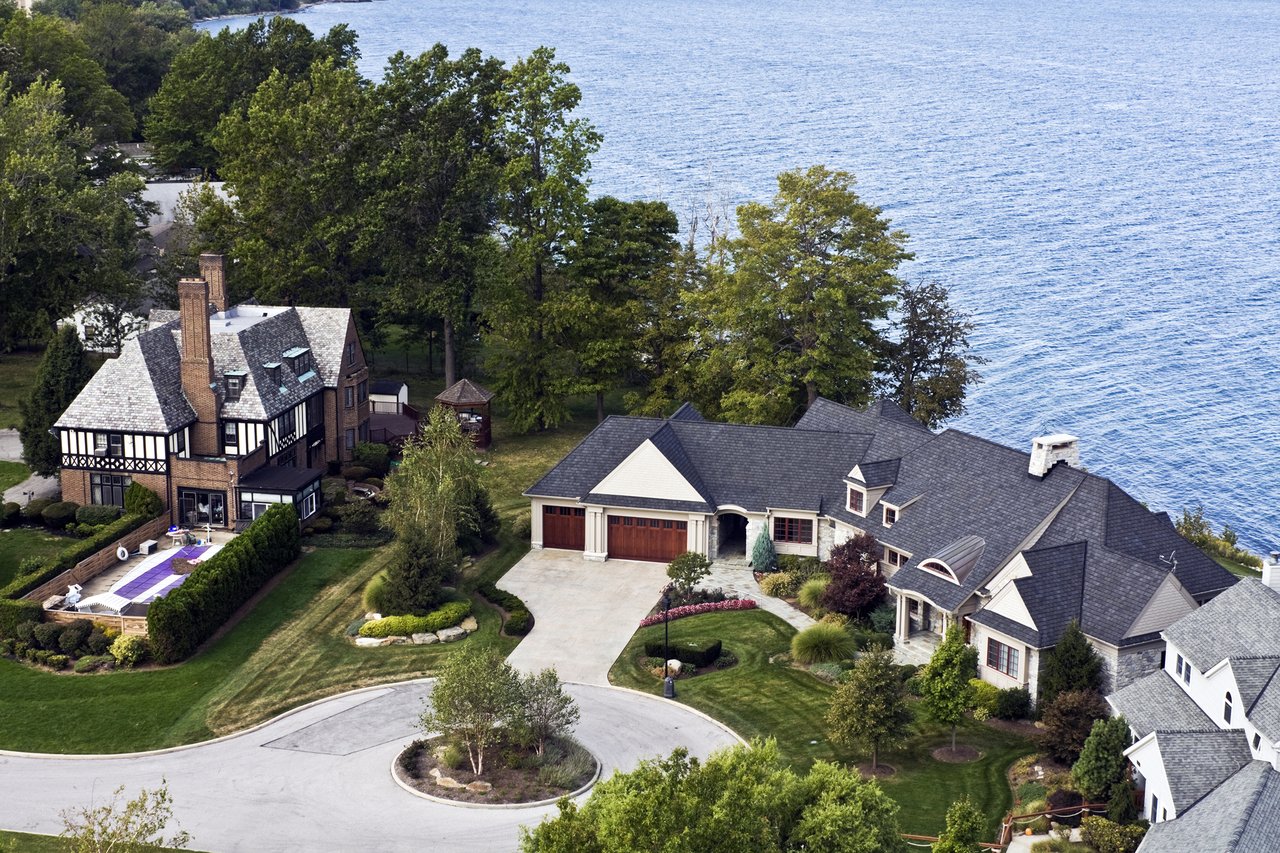
Torn between Kitty Hawk and Kill Devil Hills for your Outer Banks home? You are not alone. Both offer beautiful beaches and strong coastal lifestyles, yet the day-to-day experience can feel very different. In this guide, you will learn how the two towns compare on location, vibe, beach access, housing, prices, rental potential, and ownership basics so you can choose with confidence. Let’s dive in.
Kitty Hawk vs. Kill Devil Hills at a glance
Both towns sit side by side on the central Outer Banks. The drive between them is only about 3–5 miles, or 6–10 minutes, depending on where you start and traffic. That means your decision often comes down to neighborhood feel rather than commute time between the two. You can see the short hop here on a simple route map. Check the distance between Kitty Hawk and Kill Devil Hills.
One landmark shapes daily life in Kill Devil Hills. The Wright Brothers National Memorial sits within town and draws visitors year-round, which adds activity in nearby neighborhoods. Learn more about the site on the National Park Service page for the monument.
Vibe and daily living
- Kitty Hawk: Quieter, more residential feel with access to maritime forest and nature trails. Commercial spots are smaller and more spread out. If you value low-key evenings and time in the trees and along the sound, Kitty Hawk often fits. Explore the town’s parks and points of interest on the Town of Kitty Hawk site.
- Kill Devil Hills (KDH): Centrally located for OBX services, with a denser corridor of restaurants, family entertainment, and visitor-ready retail. If you want walkable food options, more lifeguarded beach stands, and steady visitor traffic, KDH is practical.
Buyer fit: quick guide
- Quiet nature lovers and trail walkers → Often lean Kitty Hawk for its maritime forest access and dispersed beach accesses.
- Convenience seekers and rental-oriented buyers → Often lean Kill Devil Hills for walkable restaurants, family attractions, and visible tourism infrastructure.
Beach access, parks, and piers
Kill Devil Hills publishes an extensive list of public ocean accesses with paved lots, seasonal lifeguards at many stands, showers, and ADA access points. These amenities make everyday beach trips simple for you and your guests. See the town’s resources on Kill Devil Hills beach access and safety.
Kitty Hawk maintains multiple public beach accesses as well as parks like Kitty Hawk Woods and Sandy Run Park. The layout is more residential and nature-forward, so the shoreline often feels a bit quieter outside peak hours. Browse the map and amenity icons on the Town of Kitty Hawk points of interest page.
Signature piers bracket both towns. You will find Kitty Hawk Pier to the north and Avalon Pier in KDH. Both towns sit close to major central OBX draws like Jockey’s Ridge and nearby Jennette’s Pier, which keeps either location well positioned for day trips.
Homes and lot patterns you will see
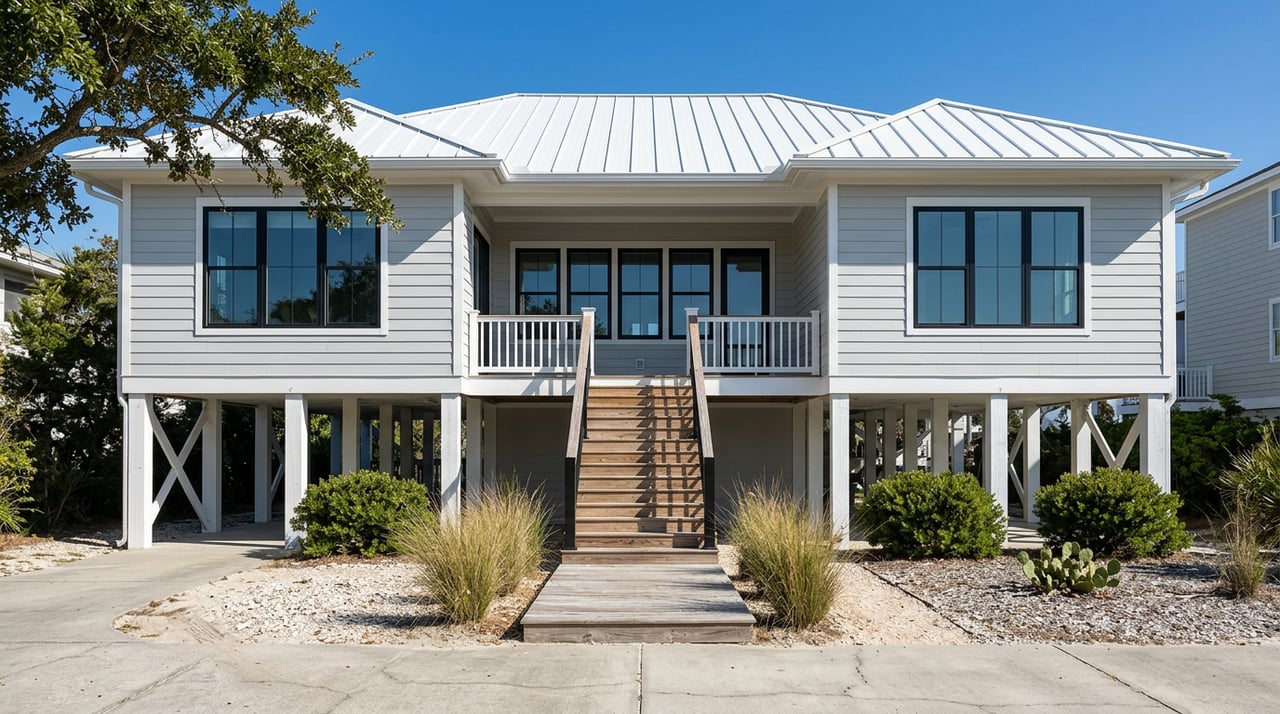
Across both towns, you will see a classic central OBX mix: elevated single-family beach houses on pilings, renovated mid-century cottages, duplex-style cottages, and some small condo buildings. Newer builds often rise multiple levels with stacked decks and under-house parking. Elevated foundations and coastal building standards are the norm.
One difference is lot pattern. Kitty Hawk often features deeper lots with pockets of maritime forest, which can feel more private in certain neighborhoods. Kill Devil Hills tends to show denser spacing in the central beach corridor, including homes built with vacation rental economics in mind.
Prices and value today
The local MLS provides the clearest town-by-town snapshot. In the Outer Banks Association of Realtors January 2026 report, the median sale price in Kitty Hawk sits around $685,000, while Kill Devil Hills shows a median near $528,000. You can review the monthly town breakouts in the OBAR January 2026 MLS Statistical Report.
Keep in mind that single-month medians can swing with seasonality and small sample sizes. Oceanfront homes also trade at different price points than interior or soundside properties. For broader trend context and ongoing updates, check the Outer Banks Association of Realtors market data page.
Rental potential and guest appeal
Short-term rental performance depends on proximity to the beach, bedroom count, parking, and amenities. Kill Devil Hills often benefits from walkable food and entertainment, which helps fill calendars for mainstream OBX visitors. Kitty Hawk can rent well too, often attracting guests who want a quieter shoreline and easy access to soundside routes.
Publicly available STR analytics offer a reference point. In Kill Devil Hills, many listings show average daily rates in the mid $200s to mid $300s, with typical occupancy in the 50 to 65 percent range on annualized figures, depending on the property and season. See examples in the Airbtics market snapshot for KDH. Always use property-level projections and a local property manager when estimating revenue.
Ownership essentials: flood, insurance, permits, and rules
Both towns sit on a barrier island, so flood and wind are core ownership topics.
- Flood zones and elevation: Properties may fall in FEMA Special Flood Hazard Areas like AE or VE, as well as lower-risk X zones. Kill Devil Hills maintains a flood information page and an elevation certificate database that can help you research a specific address. Review the town’s flood information and resources.
- Insurance basics: Standard homeowners policies do not cover flood. Many coastal owners carry both flood insurance and wind or hurricane coverage. Premiums vary by flood zone, elevation, and building type. Get quotes from local agents before you finalize an offer.
- Septic, permits, and records: Many OBX homes rely on septic. Capacity and permit history affect bedroom count and any plans for additions or accessory units. Start with Dare County planning and environmental health for records, permits, and process. Visit Dare County’s official site.
Practical costs to expect
- Flood insurance: Often required by lenders in mapped flood zones. Verify the property’s flood zone and ask for the elevation certificate.
- Wind and hail coverage: Usually separate or endorsed coverage for coastal wind events.
- Property management: If you plan to rent, budget for professional STR management. A range of 20 to 35 percent of gross revenue is common on the OBX, plus cleaning, maintenance, and seasonal prep.
- Occupancy and sales taxes: Short-term rentals in Dare County are subject to state sales tax and local occupancy taxes. Platform collection and remittance rules vary by marketplace. Confirm current rates and filing steps with Dare County Finance and the North Carolina Department of Revenue.
KDH zoning note: ADUs and long-term housing
Kill Devil Hills has used zoning tools to support more permanent housing stock. Recent actions expanded where accessory dwelling units are allowed but tied them to long-term rental use in certain zones. If an ADU is part of your plan, check the current town code and planning minutes before you buy. Read a local summary of the policy move in the Outer Banks Voice coverage.
How to choose your spot
Use this simple process to narrow your pick:
- Define your lifestyle goals. Decide if you want a quieter, nature-forward setting or a central location near restaurants and entertainment.
- Map your beach routine. If you value lifeguarded stands, paved parking, and easy showers, study the KDH access map. If you prefer dispersed access near maritime forest, look closely at Kitty Hawk.
- Align budget with setting. Compare recent town medians, then focus on micro-locations where oceanfront, near-ocean, or soundside value lines up with your goals.
- Test rental assumptions. Base projections on property-level data: location, bedroom count, parking, and amenities. Ask a local manager for a custom pro forma.
- Verify the essentials early. Pull flood info and any elevation certificate, review septic and permit history, and confirm any ADU or STR rules that impact your plans.
When you want help matching your goals to the right street and the right home, Swain Real Estate Group is here with rental-smart guidance and local insight.
Ready to compare properties or build a custom rental plan? Book a Free Consult & Rental Analysis with Crystal Swain.
FAQs
How far apart are Kitty Hawk and Kill Devil Hills?
- The towns are adjacent, about 3–5 miles apart, which is roughly a 6–10 minute drive depending on traffic and your starting point.
What is the main difference in day-to-day vibe?
- Kitty Hawk tends to feel quieter and more residential with nature access, while Kill Devil Hills is more central with a denser mix of restaurants and visitor amenities.
How do beach access and safety compare between the towns?
- Kill Devil Hills publishes many public ocean accesses, with seasonal lifeguards at popular stands, showers, and ADA access points. Kitty Hawk offers public accesses plus nearby parks and maritime forest trails, and the shoreline often feels more low-key outside peak hours.
What are typical home types in these OBX towns?
- Expect elevated single-family homes on pilings, renovated mid-century cottages, duplex-style cottages, and some small condo buildings. Newer builds are often multi-level with decks and under-house parking.
What are current sale price medians for each town?
- In the OBAR January 2026 report, Kitty Hawk’s median sits around $685,000 and Kill Devil Hills is near $528,000. Monthly medians can swing, so compare multiple months and micro-locations.
Are accessory dwelling units (ADUs) allowed in KDH for short-term rentals?
- KDH’s recent policy changes expanded where ADUs are allowed but tie them to long-term rental use in some zones. Confirm current rules with the town before you buy if an ADU is part of your plan.
What should I check for flood and insurance before an offer?
- Verify the flood zone, ask for the elevation certificate, and get quotes for flood and wind coverage. Review the town’s flood information and research any septic or permit records early in your process.