Dreaming about a front-row seat to the Atlantic, wild horses roaming nearby, and a home that pays part of its way? Owning a beach house in Corolla can deliver exactly that. It also comes with real-world responsibilities like coastal maintenance, insurance, guest expectations, and local rules you will want to understand before you buy. In this guide, you will get a clear picture of daily life, rental potential, and the practical steps to succeed as an owner in Currituck’s northern Outer Banks. Let’s dive in.
Corolla at a glance
Corolla sits on the northern end of the Outer Banks in Currituck County. You will find wide sandy beaches, a relaxed coastal pace, and a seasonal rhythm that peaks in summer and quiets in late fall and winter. Many homes are elevated single-family houses designed for vacation use and short-term rentals.
Local life revolves around the beach, fishing, wildlife viewing, and small businesses that ramp up in summer. The famous Corolla wild horses are protected, and their presence shapes community rules about wildlife safety. You will also encounter specific rules for beach driving and vehicle access in certain areas north of paved roads.
How you’ll use it
Most owners plan their personal stays around shoulder seasons and holidays. Spring and early summer can be great for quieter beach time. Peak summer weeks are popular for extended family visits or reserved for rental income, while fall brings mild weather and fewer crowds.
If you plan to rent, you will balance your calendar between personal use and guest bookings. Setting your owner weeks early helps you avoid giving up the best dates. Clear house rules and streamlined check-in instructions will make your time there smooth, even during busy weeks.
Season by season
- Peak summer: Highest demand and rates, busy beaches, full services.
- Shoulder seasons: Spring and fall offer good weather, moderate rates, and a calmer vibe.
- Winter: Quiet months with limited services and the lowest rental demand.
Rental income basics
Many Corolla owners offset costs by renting their homes as short-term vacation rentals. Summer often draws the strongest occupancy and nightly rates. Spring and fall tend to be moderate, and winter is usually slow.
Because performance varies by property size, location, amenities, and marketing, ask for historical rental statements on any house you are considering. If the home does not have a track record, speak with local property managers for current comps and pricing strategy.
Management options
- Local full-service property managers handle bookings, marketing, guest services, maintenance coordination, and housekeeping for a percentage of rental revenue.
- Self-management requires time, marketing reach, systems for guest communication, and local service contacts. Many owners still hire a cleaning company and on-call vendors.
If you prefer a low-friction approach with strong guest support, a reputable local manager can be a smart choice. Many Corolla owners rely on established management platforms that already reach Outer Banks vacationers.
Expenses to budget
Compare gross rental projections against these ongoing costs:
- Property management fees
- Cleaning and linen turnover
- Utilities and internet
- Insurance: homeowners, wind or hurricane coverage, and flood (if applicable)
- Property taxes
- HOA or amenity fees, if any
- Routine maintenance and pest control
- Capital expenses like roof, decking, HVAC, or siding over time
Rules and taxes
Short-term rentals in Currituck County are subject to local rules. Registration, safety standards, occupancy limits, and parking requirements can apply. If the home sits in a community with an HOA, review covenants for rental restrictions, exterior standards, and vehicle rules before you buy.
Beach driving and protected areas on the north beaches have specific regulations. These rules protect both visitors and wildlife, including the Corolla wild horses. Clear guest instructions on beach access, dune crossovers, and wildlife protections reduce incidents and complaints.
Vacation rentals generally require collection and remittance of state and local sales and occupancy taxes. Property taxes are assessed by the county and can change from year to year. Waterfront areas can also be affected by special assessments tied to road work, beach nourishment, or community projects. Confirm current details with Currituck County and your tax professional before finalizing your numbers.
Insurance and financing
Coastal properties need the right insurance mix. Plan for a homeowners policy plus separate wind or hurricane coverage if required in your area. If the home sits in a FEMA-designated flood zone, you will likely need flood insurance through the National Flood Insurance Program or a private carrier. Elevation, pilings, and how mechanical systems are placed can meaningfully affect premiums.
Consider options like loss of rental income coverage, equipment breakdown, and wind or hail endorsements. Coastal insurance availability and pricing change often, so get multiple quotes from local independent agents who know Currituck County.
Financing differs for second homes versus investment properties. If you expect to rent, lenders may treat the loan as an investment product with different rates and down payment requirements. Some lenders ask for elevation certificates or coastal-specific underwriting. Documented rental history strengthens your file when you seek an investment loan.
Maintenance and risks
Salt air, humidity, and wind are constant on the Outer Banks. You will likely repaint or restain exteriors more often, keep a close eye on decks and railings, and replace coastal-exposed hardware faster than you would inland. HVAC systems and dehumidifiers work hard to manage moisture, and regular mold prevention is part of the plan.
Hurricanes and coastal storms are part of life here. Wind, surge, and erosion risks vary by location, construction, and elevation. Build a storm checklist, know evacuation routes, and review coverage before each season. Short-term power or access interruptions can happen during storms or road work, so keep backup plans for guests and your own stays.
Recurring and capital costs
- Recurring: utilities, pest control, housekeeping and linens for rentals, management fees, insurance, property taxes, HOA dues if applicable
- Capital: roof, siding, windows, decking and stairs, HVAC and water heaters, septic system repairs or replacement, elevator service if applicable
Lifestyle realities
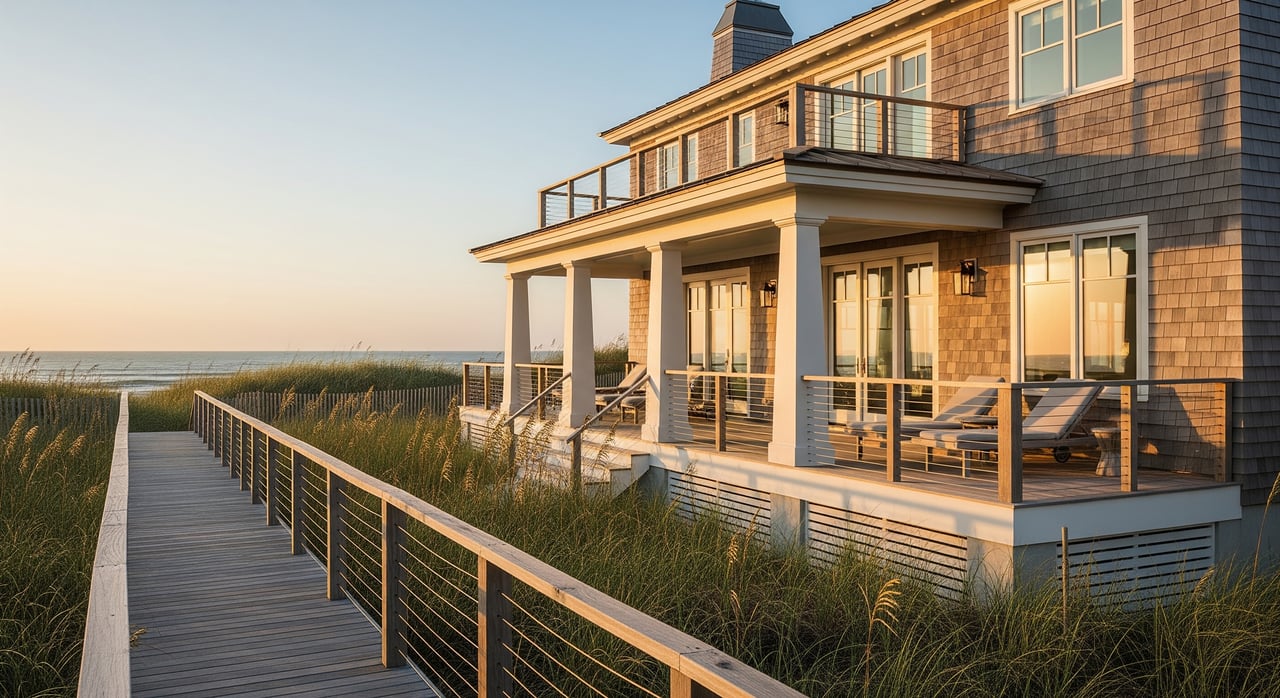
The upside is clear. You get direct beach access, outdoor recreation at your doorstep, and a home that can host loved ones or generate income. Morning coffee on the deck may come with pelicans gliding by and the chance to spot wild horses on a nearby tour.
The trade-offs are real too. Peak season brings traffic and late-night arrivals on Saturdays. You will prepare for storms and coordinate maintenance year-round. If your street or neighborhood is rental-focused, set clear house rules for parking and quiet hours to keep neighbor relations positive.
Guest expectations are consistent across the Outer Banks. Most visitors want safe beach access, fast Wi-Fi, air conditioning, well-equipped kitchens, clean bedding, and clear instructions for everything from trash pickup to beach rules. Higher-end homes should plan for premium amenities such as hot tubs, upgraded kitchens, or private pools.
Buyer checklist
Use this checklist to evaluate a specific Corolla property and prepare your plan:
- Confirm FEMA flood zone and pull the current Flood Insurance Rate Map.
- Check Currituck County rental registration, lodging and occupancy tax requirements, and remittance steps.
- Request HOA covenants, restrictions, and rental rules if the home is in a governed community.
- Review historical rental performance, including gross revenue, occupancy, and seasonality.
- Get insurance quotes for homeowners, wind or hurricane coverage, and flood.
- Ask for the elevation certificate and any permits related to elevation or foundation.
- Interview local property managers about fees, marketing channels, and cleaning or linen costs.
- Inspect the septic or wastewater system and confirm permitting if there is no municipal sewer.
- Verify proximity to protected wildlife areas, beach driving rules, and dune access.
- Review county notices on beach nourishment, special assessments, or resilience projects.
Is it right for you?
Owning a beach house in Corolla can be both rewarding and profitable if you approach it with clear expectations. If you value ocean air and a slower pace, and you are comfortable with coastal maintenance and storm prep, the lifestyle can be deeply satisfying. If rental income is part of your plan, lean on local data, proven management, and design choices that drive guest demand.
When you want a rental-first perspective with hands-on guidance, connect with a local team that blends boutique service with established rental operations. If you are ready to take the next step, connect with Crystal Swain to book a free consult and rental analysis tailored to your goals in Corolla.
FAQs
How much rental income can a Corolla beach house produce?
- Income potential depends on location, home size, amenities, condition, and management. Peak summer typically delivers the strongest demand, while shoulder seasons are moderate and winter is slow. Always request historical statements or local comps for a specific property.
What insurance do Corolla beach houses usually need?
- Most owners carry homeowners coverage plus separate wind or hurricane coverage in coastal zones. If the home is in a FEMA flood zone, flood insurance is common. Consider loss-of-rent and equipment coverage, and get quotes from local agents.
How risky are storms and erosion in Corolla, NC?
- Coastal properties face elevated risk from hurricanes, storm surge, and erosion. Elevation on pilings, quality construction, and the right insurance reduce exposure. Monitor forecasts and keep a seasonal storm plan.
Do I need permits or registration to rent in Currituck County?
- Many short-term rentals must register and comply with local standards. Rules can include occupancy limits, parking, and safety requirements. Check county ordinances and any HOA restrictions for the specific address.
What are common maintenance costs for a Corolla beach house?
- Expect frequent exterior upkeep due to salt and wind, regular HVAC service and dehumidification, pest control, and more frequent deck and hardware repairs. Budget for periodic big-ticket items like roof, siding, and septic work.
How does financing a Corolla rental home differ from a second home?
- If you plan to rent, lenders may classify the loan as an investment with different rates and down payments. Some coastal lenders request elevation certificates or coastal underwriting, and proven rental history can help your application.